
Grain free vs gluten free: What is the difference?
Last updated: 1 Nov 2026
62 Views
Choosing a recipe
Grain free vs gluten free: What is the difference?
Published 19 October 2026
The two terms get used interchangeably, but they do not mean the same thing — and most pets need neither. Here is what actually separates them, which pets benefit, and which do not.
What is the difference?
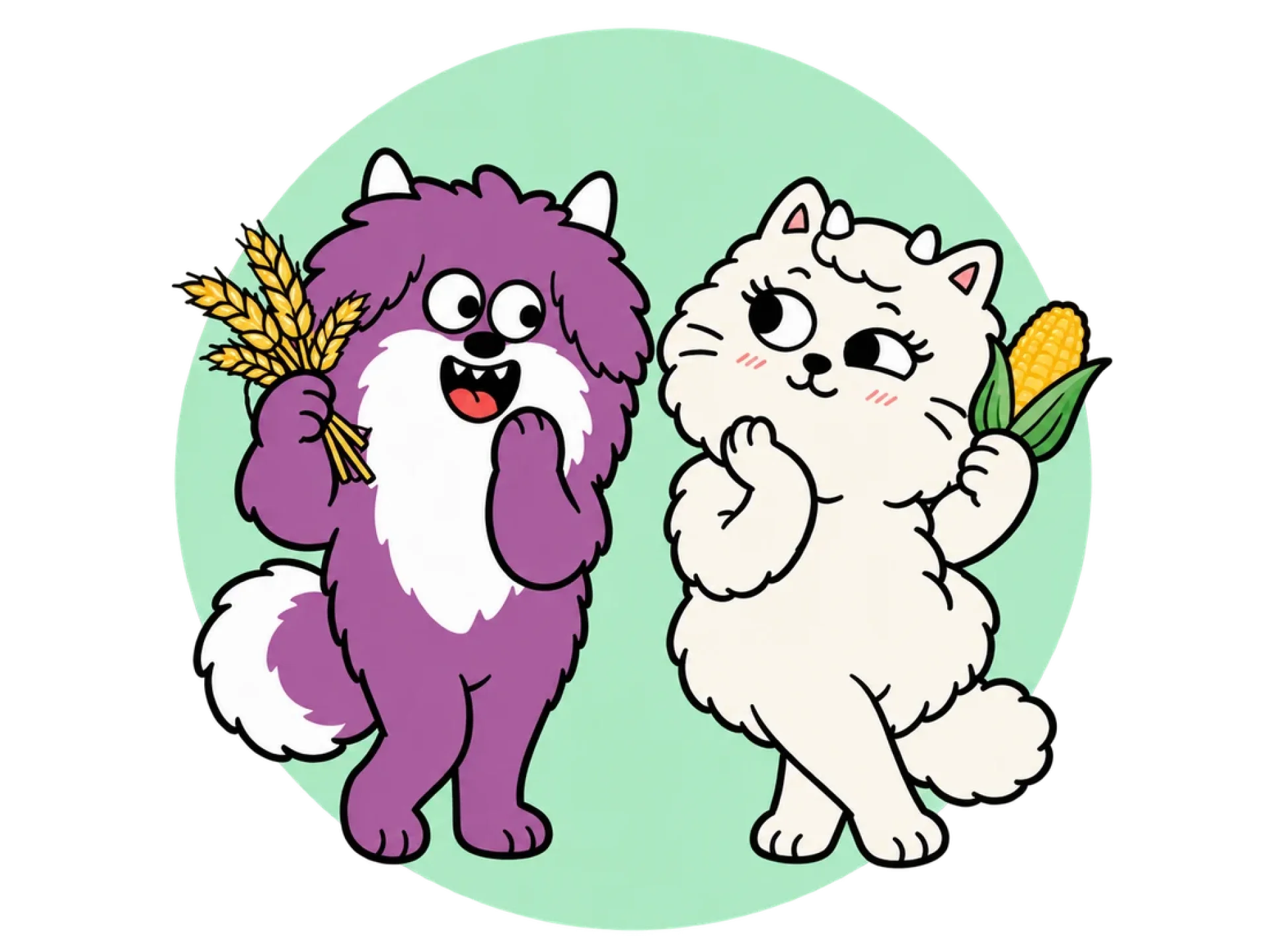
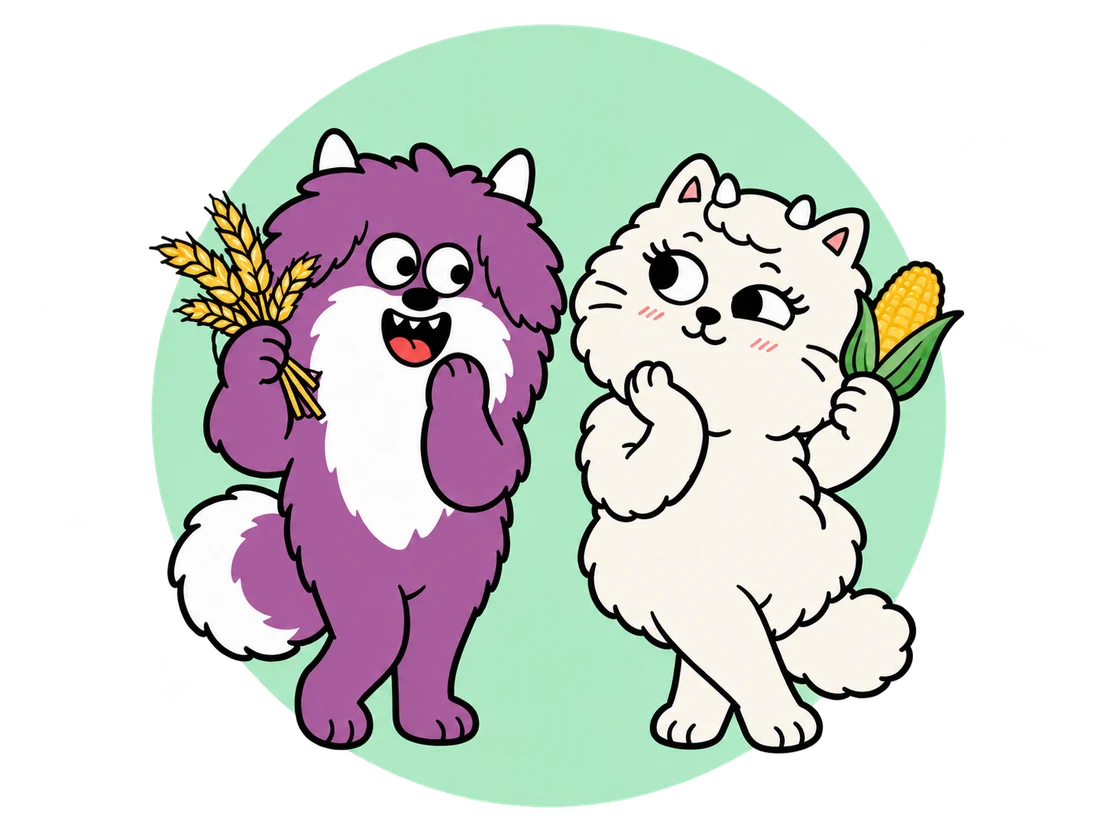
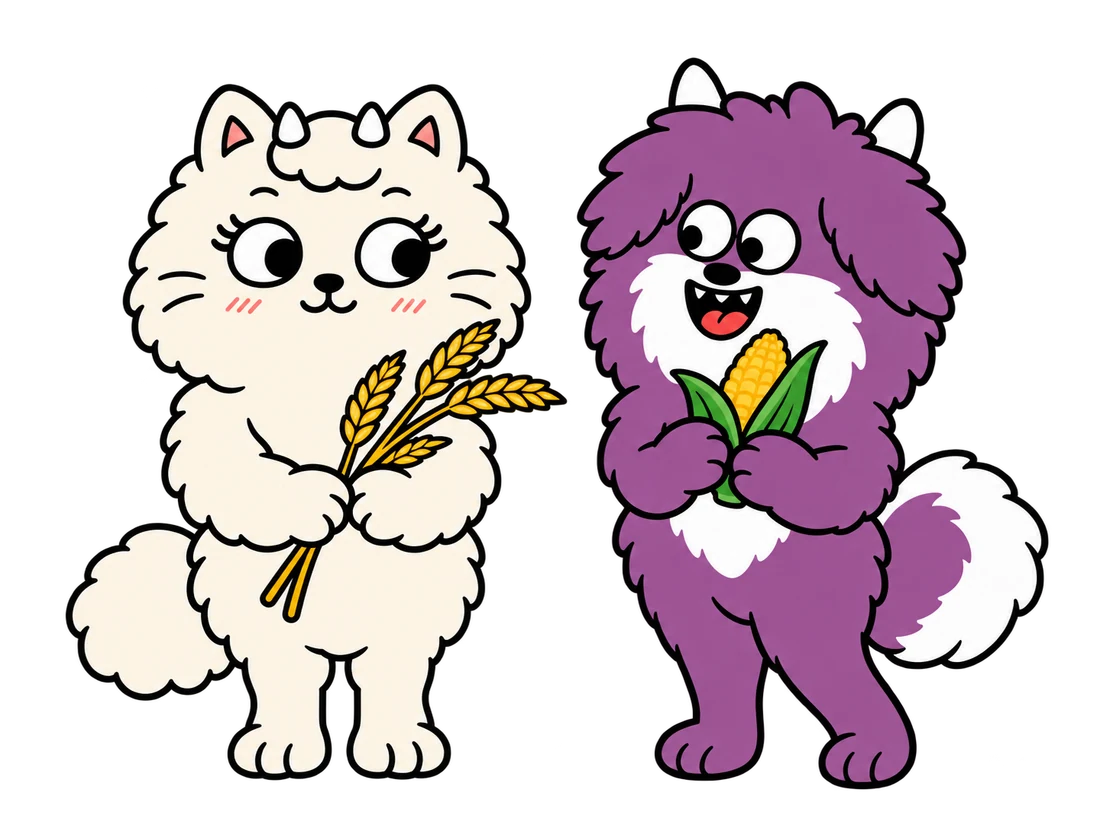
- Gluten is a group of proteins found in certain grains such as wheat, barley and rye. A gluten free recipe leaves those out, but may still use grains that contain no gluten, such as rice or corn.
- Grain free means no grains at all, gluten or otherwise, with carbohydrates coming from other sources such as sweet potato or cassava.
Which pets actually benefit?
- Pets a vet has diagnosed with a sensitivity or allergy to a specific grain or to gluten — which does happen, but far less often than many owners assume.
- Pets on a vet-supervised elimination diet, used to track down the cause of persistent itching or chronic digestive problems.
- Owners who simply prefer a different carbohydrate source, with the same complete nutrition.
Common misunderstandings
- Grain free does not automatically mean higher protein, and it does not mean fewer calories — check the actual figures on each label.
- Grains are not something every pet must avoid. Most pets digest properly cooked grains perfectly well.
- Itching and loose stools have many possible causes — parasites, the environment, or a specific animal protein. Switching to grain free without finding the cause can waste time on the wrong answer.
If you do switch, how should you do it?
The same rule as any food change — mix gradually over 7–10 days, and change one thing at a time. Allow at least six to eight weeks before judging the result — skin takes longer to respond than digestion.
FAQs
Where do the MONSTER LAB gluten-free recipes sit?
Inside the PRIVATE series, not as a separate series. Recipes with no grain at all sit in the GRAIN FREE series.
Is grain free suitable for puppies and kittens?
Go by the life stage on the label. Recipes suitable for growth say so explicitly — not every grain free recipe is designed for young animals.
Grain free costs more — does that mean more nutrition?
The price difference comes from the carbohydrate source and the ingredients used, not automatically from higher nutrient levels. Compare the protein, fat and fibre figures on the labels, and choose by what your pet actually needs.
Related Content

Kibble size is not a cosmetic detail — it is matched to a pet's life stage and mouth size, and the right size makes eating and chewing more comfortable. This article covers who each size suits, how to read a label properly, and how to match your pet's needs to the right recipe.
1 Nov 2026