Caring for senior dogs and cats

Caring for senior dogs and cats

When is a pet considered senior?
Dogs reach their senior years at different ages depending on size and breed. AAHA/AAFP guidelines classify cats aged 7–10 as mature adults and those over 10 as seniors, with individual health considered alongside age. Large-breed dogs may reach the senior stage earlier than smaller breeds because their average lifespan is generally shorter. Rather than relying only on age, it is important to look at your pet's overall health, body condition and behaviour.
Joints and mobility
Age-related changes in the joints can make movement more difficult. You may notice that your pet takes longer to stand up, is less willing to jump onto furniture or appears stiff after resting.
- Nutrition containing ingredients such as glucosamine and chondroitin may be used as part of joint care.
- At home, non-slip flooring and reducing frequent jumping from high surfaces can also help make everyday movement easier.
Brain and behaviour
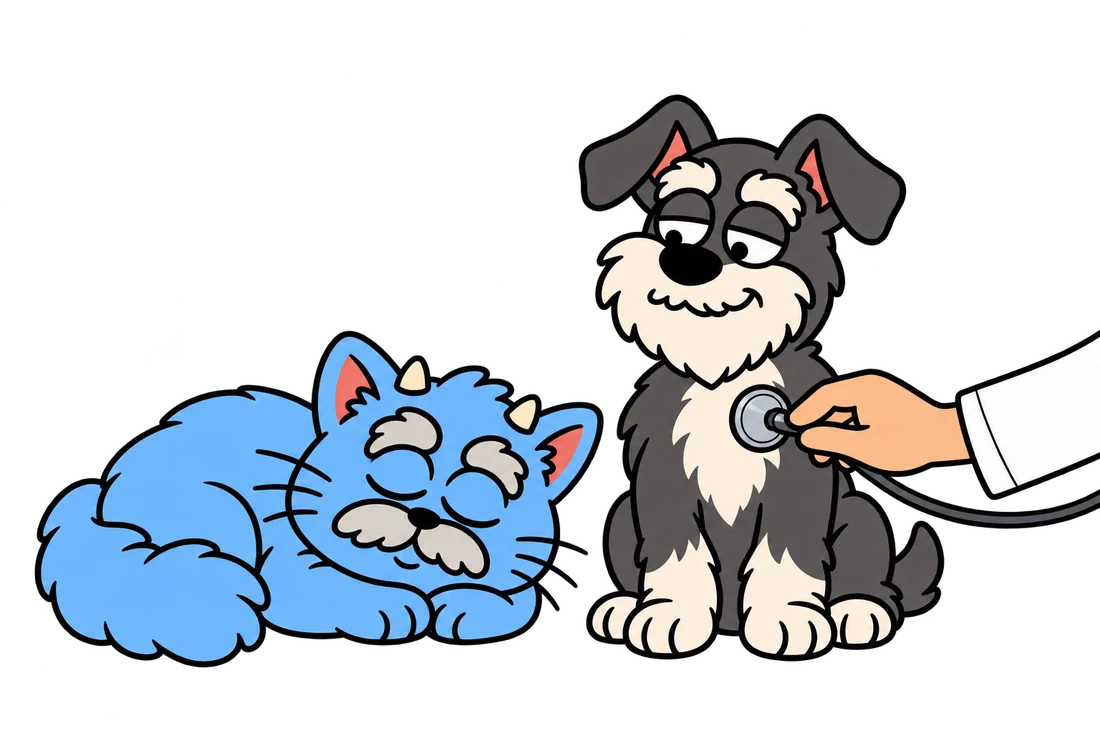
Some senior pets may develop changes in behaviour and awareness. They may appear confused in familiar surroundings, vocalise at night without an obvious reason or develop different sleeping patterns. Gentle mental stimulation, regular routines and nutrition containing nutrients such as DHA and antioxidants can form part of senior care.
Digestion and body weight
Metabolism and activity levels may change with age. Some senior pets gain weight because they move less, while others lose weight because of changes in digestion, appetite or dental health. Regularly checking body weight can help you notice changes early. Dental check-ups are also important, as oral problems can make eating uncomfortable for older pets.
Why are senior formulas different?
Nutritional needs can change throughout a pet's life. Senior formulas may adjust energy levels to suit reduced activity while including nutrients designed to support areas such as joints, brain function and digestion. The MONSTER LAB range covers every life stage, from young pets through to senior pets.
When should you see a vet?
FAQs
Do I need to switch to senior food as soon as my pet turns seven?
Not necessarily. Age is only one factor. Consider your pet's health, activity level and body condition, and speak to your vet if you are unsure.
How often should senior pets have health checks?
Around every six months, as changes in older pets can sometimes develop more quickly.
Should senior pets still exercise?
Yes. Regular, gentle movement is important. Shorter, more frequent walks or light activity can help maintain muscle while placing less strain on the joints.