When can puppies and kittens start eating dry food?
When can puppies and kittens start eating dry food?
01Birth to 3 weeks: Milk comes first
During the first few weeks of life, puppies and kittens rely mainly on their mother's milk. Their digestive systems are not yet ready for solid food. If the mother cannot nurse them, use a milk replacer specifically formulated for puppies or kittens. Cow's milk should not be used, as its lactose content can be difficult for young animals to digest and may cause diarrhoea.
02Around 3–4 weeks: Weaning can begin
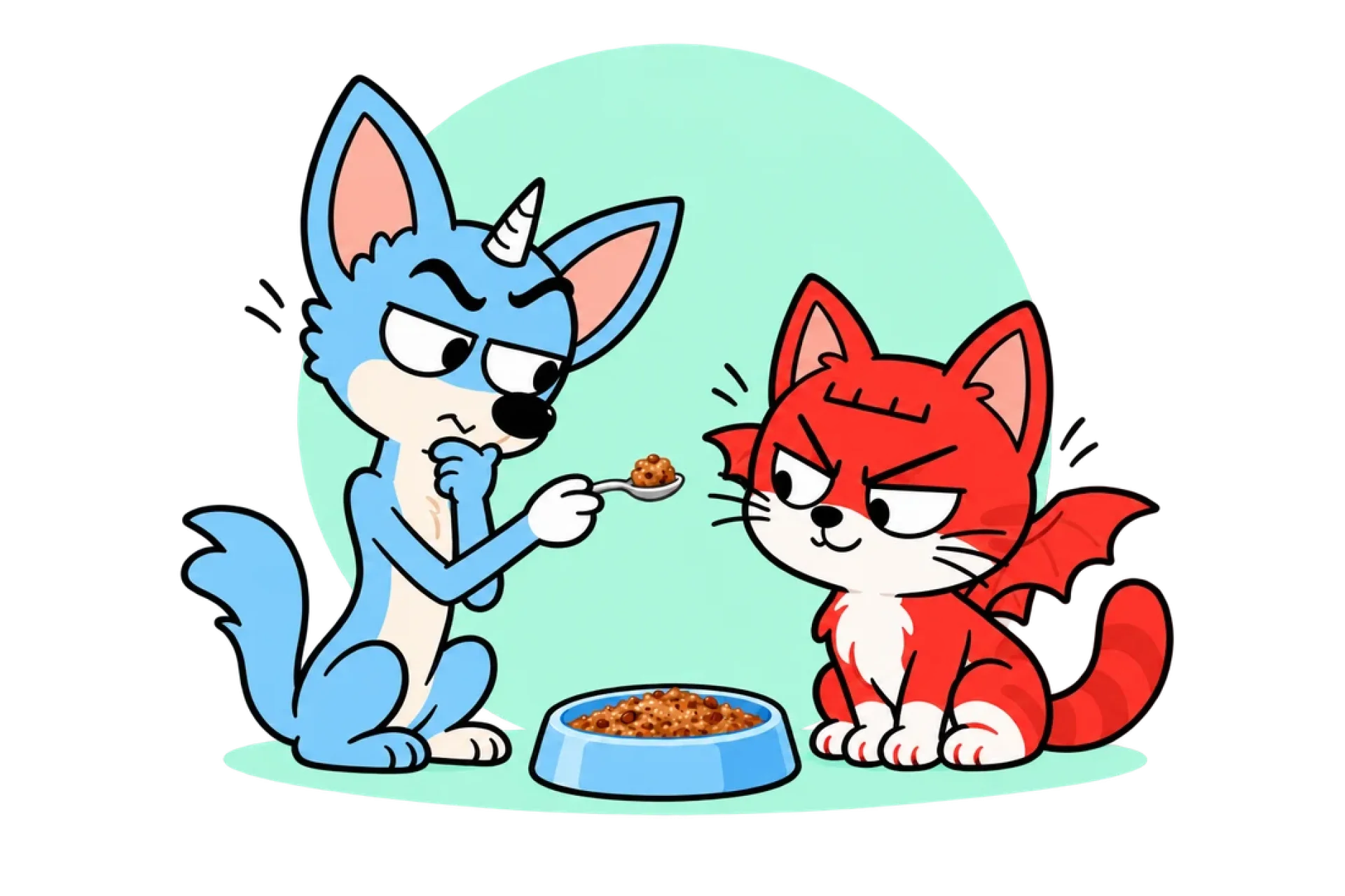
This is usually when solid food can gradually be introduced. Start with wet food or dry food softened with water or an appropriate milk replacer until it forms a soft, porridge-like texture. Puppies and kittens can continue nursing during this period. There is no need to stop milk suddenly.
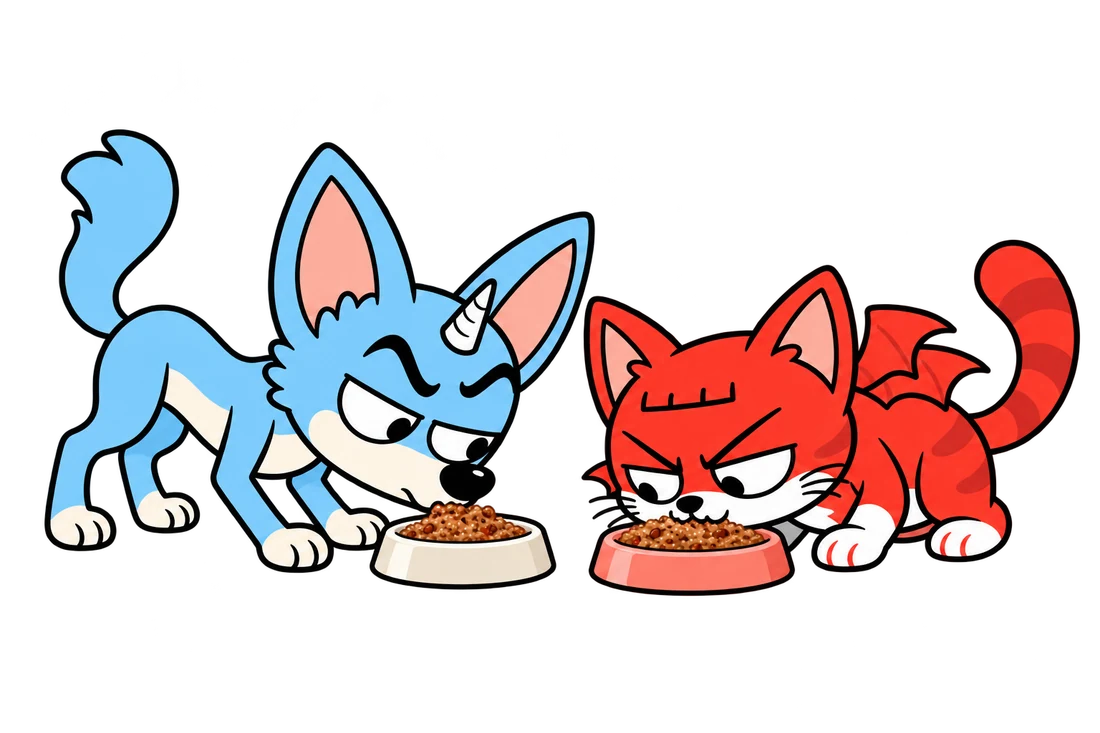
03Around 4–8 weeks: Gradually increase solid food
Slowly reduce the amount of liquid mixed into the food so that it becomes thicker over time. By around eight weeks, many puppies and kittens are able to eat regular solid food. Because their stomachs are small and their energy needs are high, young animals often need several small meals throughout the day.
Why is puppy and kitten food different from adult food?
Growing animals require more energy and nutrients in relation to their body weight than adults. Their bodies are developing bones, muscles and the immune system at the same time, so foods designed for growth are usually more nutrient-dense. Some formulas may also include ingredients designed to support pets during the transition from milk to solid food.
Signs that weaning may be progressing too quickly or too slowly
- If solid food is introduced too quickly, puppies or kittens may experience diarrhoea, vomiting or refuse the food.
- If they are still completely refusing solid food at around eight to nine weeks or are not gaining weight as expected, speak to a vet.
FAQs
Can puppies and kittens eat adult pet food?
Adult formulas are not generally recommended during the growth stage because young animals have different nutritional requirements. Use a food appropriate for growth until the age stated on the product label.
Is it harmful to separate puppies or kittens from their mother too early?
Where possible, they should remain with their mother and littermates until at least around eight weeks. This period is important not only for feeding but also for learning social behaviour.
How long should I soften dry food with water or milk replacer?
The amount of liquid can usually be reduced gradually over a period of around two to four weeks until the puppy or kitten is comfortable eating the food without it.