
3 articles in this category

What to do if your cat is a picky eater

"My cat won't eat" is one of the most common concerns among cat owners. Some cats sniff their food and walk away, while others happily eat the same food for a few days before suddenly losing interest. It can be stressful for owners just as much as it is for their cats. This article will help you understand why your cat may be refusing food and what you can do about it, rather than constantly switching from one food to another.
First, find out why your cat is not eating
Before trying a new food, it is important to understand whether your cat is refusing food because of a health problem or simply because they are being selective.
- Health problems or discomfort — problems involving the mouth, teeth, gums or digestive system may make eating painful or uncomfortable.
- Picky eating — some cats may reject food because of its smell, texture or simply because they are used to eating something else.
Common reasons why cats become picky eaters
- Smell plays a major role in whether a cat wants to eat. Cats often decide whether a food is appealing before they even taste it.
- Texture also matters. Some cats prefer crunchy dry food, while others enjoy softer wet food.
- Changing food too quickly can make it harder for both the digestive system and the cat's eating habits to adjust.
- Some cats may also lose interest after eating the same food for a long time, especially if they are naturally selective eaters.
How to switch food gradually
Avoid replacing the entire bowl with a new food straight away. Instead, gradually mix the old and new food over around 7–10 days.
- Days 1–3 — 75% current food + 25% new food
- Days 4–6 — 50% current food + 50% new food
- Days 7–10 — 25% current food + 75% new food
If your cat develops diarrhoea or vomiting during the transition, return to the previous ratio and make the change more slowly.
What makes food appealing to cats
Palatability is not only about nutrition. Other factors can also influence whether your cat enjoys a particular food.
- The aroma of natural ingredients, such as dried fish or bonito flakes, may appeal to a cat's natural instincts.
- Easily digestible proteins, such as hydrolysed protein, may support digestion while also providing a taste and texture that some cats find easier to accept.
- Texture also matters. Dry kibble, wet food in jelly and wet food in gravy all offer different eating experiences, so preferences can vary from one cat to another.
What not to do when your cat refuses food
- Do not withhold food in an attempt to "make them hungry enough to eat". Going without food for too long can be dangerous for cats.
- Avoid changing between several brands or foods within a short period, as this makes it difficult to identify what is actually causing the problem.
- Do not add seasonings or human foods to your cat's meal without first checking whether they are safe.
FAQs
Does warming the food help?
Wet food brought closer to room temperature releases more aroma, which many cats find more appealing. Do not make it hot, and do not leave wet food in the bowl for more than 20–30 minutes in warm weather.
Can I mix wet and dry food together?
Yes, but count the energy from both. If you add wet food, reduce the dry portion accordingly, and serve mixed food within that meal rather than leaving it out.
Should I rotate foods often so my cat does not get bored?
Frequent rotation makes it impossible to tell what caused a problem, and constant novelty often makes cats fussier. If you want variety, vary the texture within the food you already use.
References
- WSAVA Global Nutrition Guidelines
- FEDIAF Nutritional Guidelines 2025
- Cornell Feline Health Center — Anorexia
This article provides general information and is not a substitute for veterinary advice. Consult a veterinarian if your pet shows unusual symptoms.
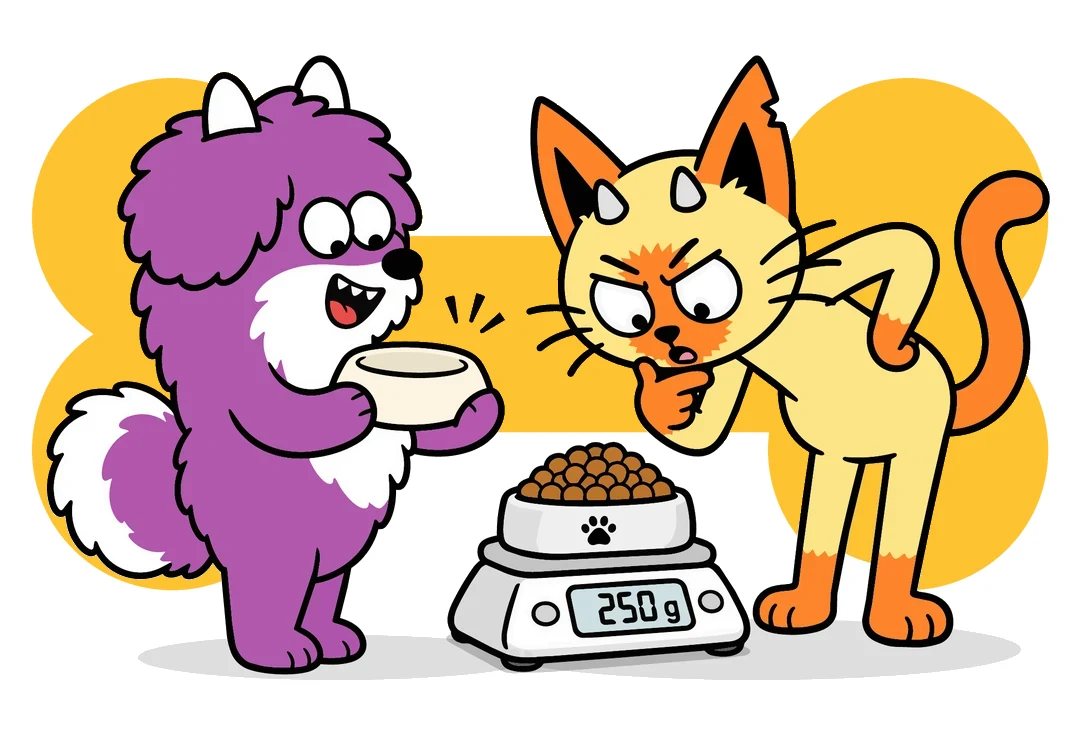 How much to feed, how often?READ MORE"Am I feeding too much?" and "Am I giving them enough?" are questions almost every pet owner asks at some point. There is no single number of grams that works for every dog or cat. The right amount depends on the individ
 When to start dry food?READ MOREWeaning can be a confusing stage for new pet owners. Start too early and you may worry that their digestive system is not ready. Start too late and you may worry that they are not getting the nutrition they need for heal
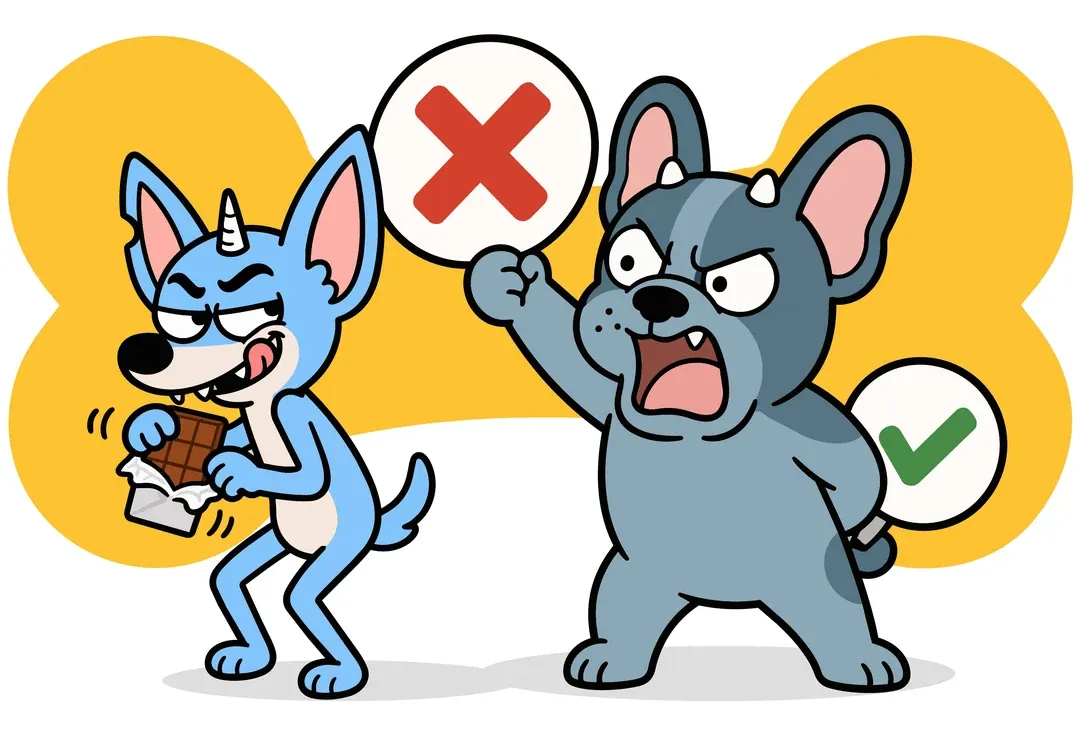 Foods they must never eatREAD MOREA pet can suddenly become ill after eating something dropped on the kitchen floor or a well-intentioned treat that is unsafe for them. Here are foods to keep out of reach of dogs and cats, together with warning signs to
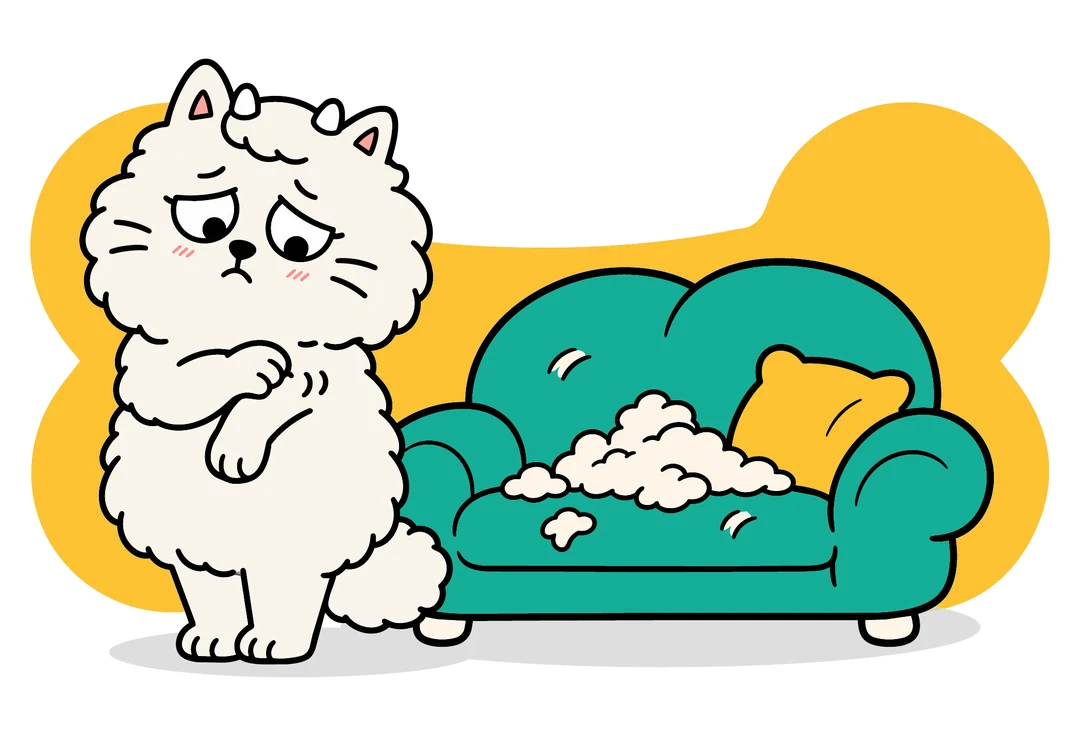 Shedding, dry skin, itchingREAD MOREHair on the sofa, flaky skin, a pet that will not stop scratching — three complaints owners often treat as one problem. They usually are not, and the fixes differ.
Not sure which food fits?
Answer a few questions to find the right food
and daily portion for your pet in under 2 minutes.